Like the thermometer, pending home sales took a downward turn in December—plunging by 9.3% compared to the prior month and 3% from a year ago. The unexpected turn in sales interrupted months of steady gains and what had seemed like a promising point for the housing market. The National Association of REALTORS®’ Pending Home Sales Index is a forward-looking indicator of home sales based on contract signings.
“The housing sector is not out of the woods yet,” says Lawrence Yun, NAR’s chief economist. “After several months of encouraging signs in pending contracts and closed sales, the December new contract figures have dampened the short-term outlook.”
Even after accounting for typical season patterns, contract signings still significantly pulled back last month. But Yun acknowledges winter blips can often happen. “Interpreting in-person home search activity in the winter—especially in December—can be tricky due to public holidays, people taking time off and wintry weather conditions,” he says. “We’ll be watching the data in the coming months to determine whether the soft contract signings were a one-month aberration or the start of an underlying trend.”
The Likely Culprit Behind the Latest Pending Sales Numbers
Mortgage rates moved lower last month, averaging 6.19%, and were largely credited with helping boost buyer confidence that led to more closed home sales in December. In fact, NAR recently reported existing-home sales surged to the strongest reading in nearly three years, up 5.1% in December from November.
But while more buyers headed to the closing table, fewer buyers appeared to be signing contracts last month.
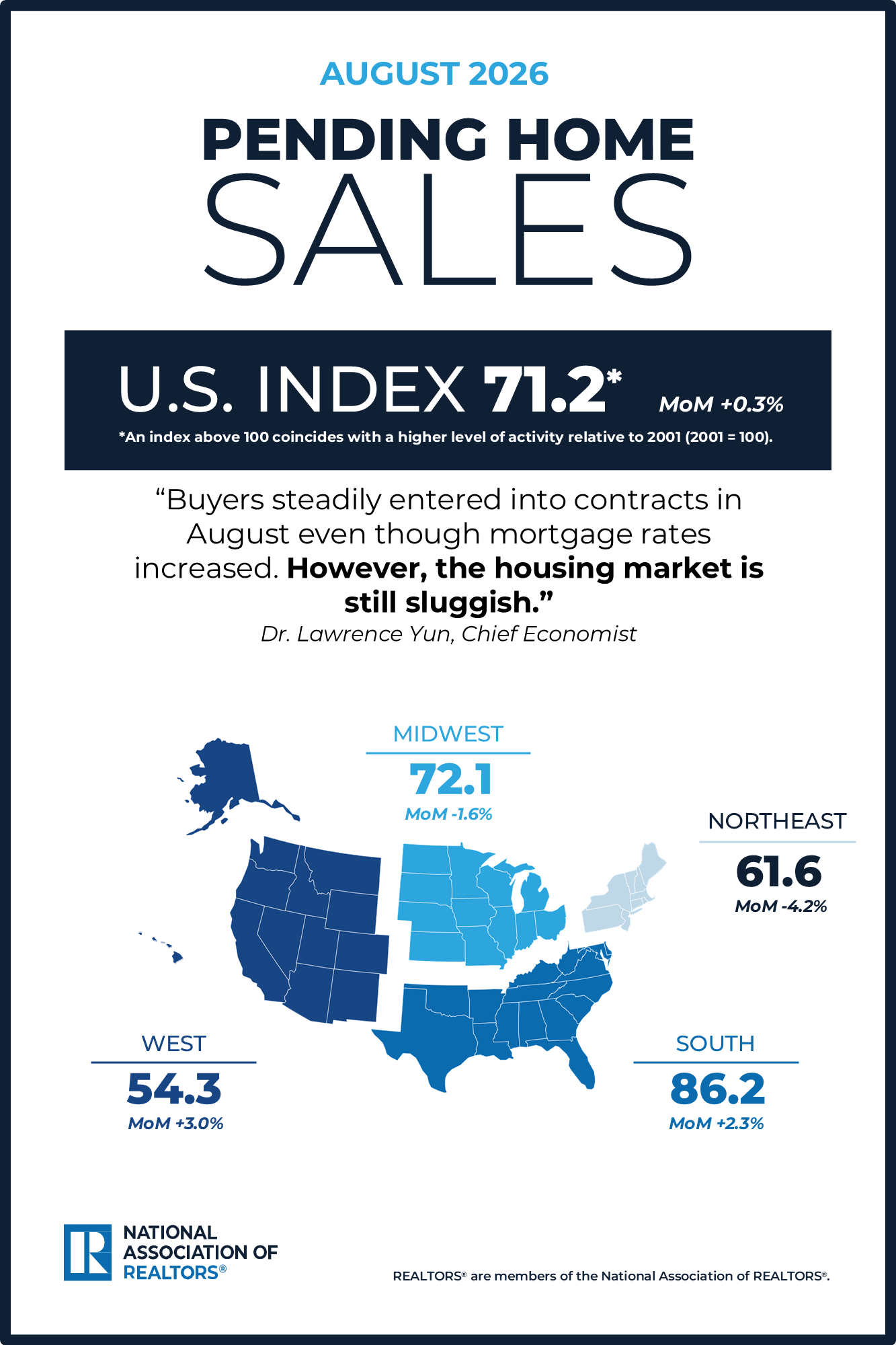
Pending home sales fell across the country in December, led by a 15% month-over-month decrease in the Midwest, 13% drop in the West, 11% drop in the Northeast and 4% decrease in the South, shows NAR’s Pending Home Sales Index.
Blame it on inventory, economists say for why pending home sales may have underperformed in December.
While “data shows closing activity increased in December … new listings did not keep pace, so inventory decreased,” Yun explains. “Consumers prefer seeing abundant inventory before making the major decision of purchasing a home. So, the decline in pending home sales could be a result of dampened consumer enthusiasm about buying a home when there are so few options listed for sale.”
The number of existing homes for sale fell 18% in December compared to November, after what had been several solid months of improvement and matching the prior lowest levels of 2025.
“Inventory levels remain tight,” Yun said last week. “With fewer sellers feeling eager to move, homeowners are taking their time deciding when to list or delist their homes.”
Snowier, colder conditions than in recent years in the Midwest and Northeast—and a snow drought affecting ski areas in the West—may be other factors keeping buyers at bay.
However, Yun notes that more homes for sale typically begin entering the market in early February, ahead of the spring buying season.
Housing Markets That Are Defying National Trends
Despite the decrease in pending home sales last month, a handful of markets proved resilient to the winter gloom. According to data from Realtor.com® Economics, the following 10 markets posted the largest annual increases in pending home sales:
- Louisville/Jefferson County, Ky.-Ind.: +23.8% annually
- San Antonio–New Braunfels, Texas: +13.6%
- Virginia Beach–Chesapeake–Norfolk, Va.-N.C.: +11%
- Charlotte–Concord–Gastonia, N.C.-S.C.: +9.7%
- Boston–Cambridge–Newton, Mass.-N.H.: +9.2%
- Phoenix–Mesa–Chandler, Ariz.: +8.7%
- Oklahoma City, Okla.: +8%
- Miami–Fort Lauderdale–West Palm Beach, Fla.: +6.3%
- Pittsburgh, Pa.: +5.8%
- Memphis, Tenn.-Miss.-Ark.: +4.7%
Source: https://www.realtor.com/research/data, December 2025
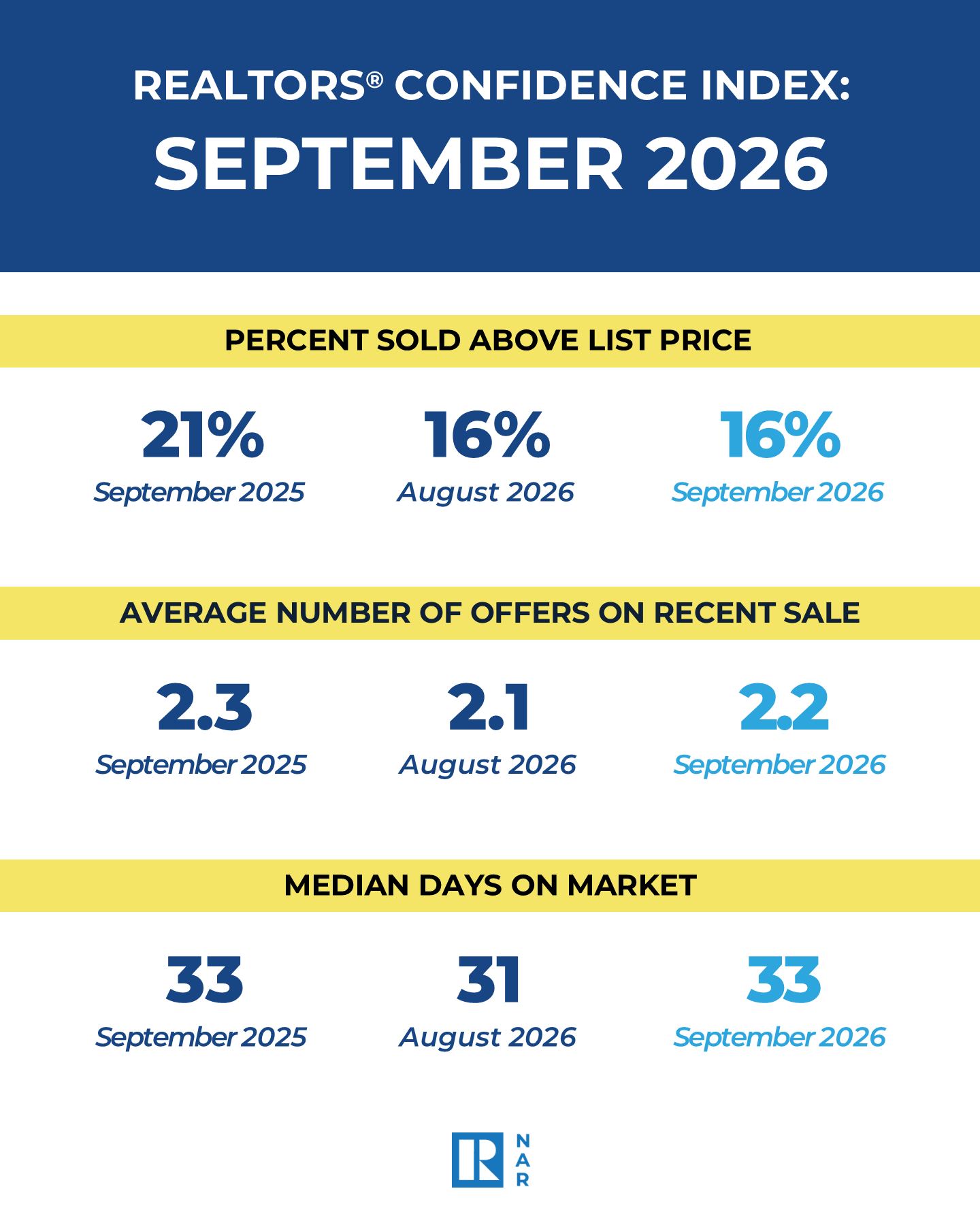
REALTORS® in December reported that median days on market were up compared with November. Meanwhile, first-time buyer sales and cash sales as a percentage of the market remained relatively constant, according to the December 2025 REALTORS® Confidence Index.