


The U.S. has millions more people, more jobs and significantly more wealth than it did a quarter-century ago. Yet home sales remain stubbornly sluggish—hovering near 30-year lows, according to National Association of REALTORS® research.
What could finally turn the market around?
Lawrence Yun, NAR’s chief economist, pointed to several potential catalysts during the virtual 2026 REvolution Summit, hosted by LoKation Real Estate, on Wednesday. Lower mortgage rates, improving affordability and a boost in consumer confidence could help unleash years of pent-up housing demand.
But Yun also had a message for real estate professionals: You can help shift the market’s gloomy narrative by highlighting opportunities for buyers and the longer-term wealth-building benefits of homeownership.
Related: Contract Signings Slip Again, Agents to Buyers: ‘Here’s Your Chance’
A Housing Market With Untapped Potential
Yun illustrated the market’s potential by comparing economic conditions in 2000 with those in 2026.
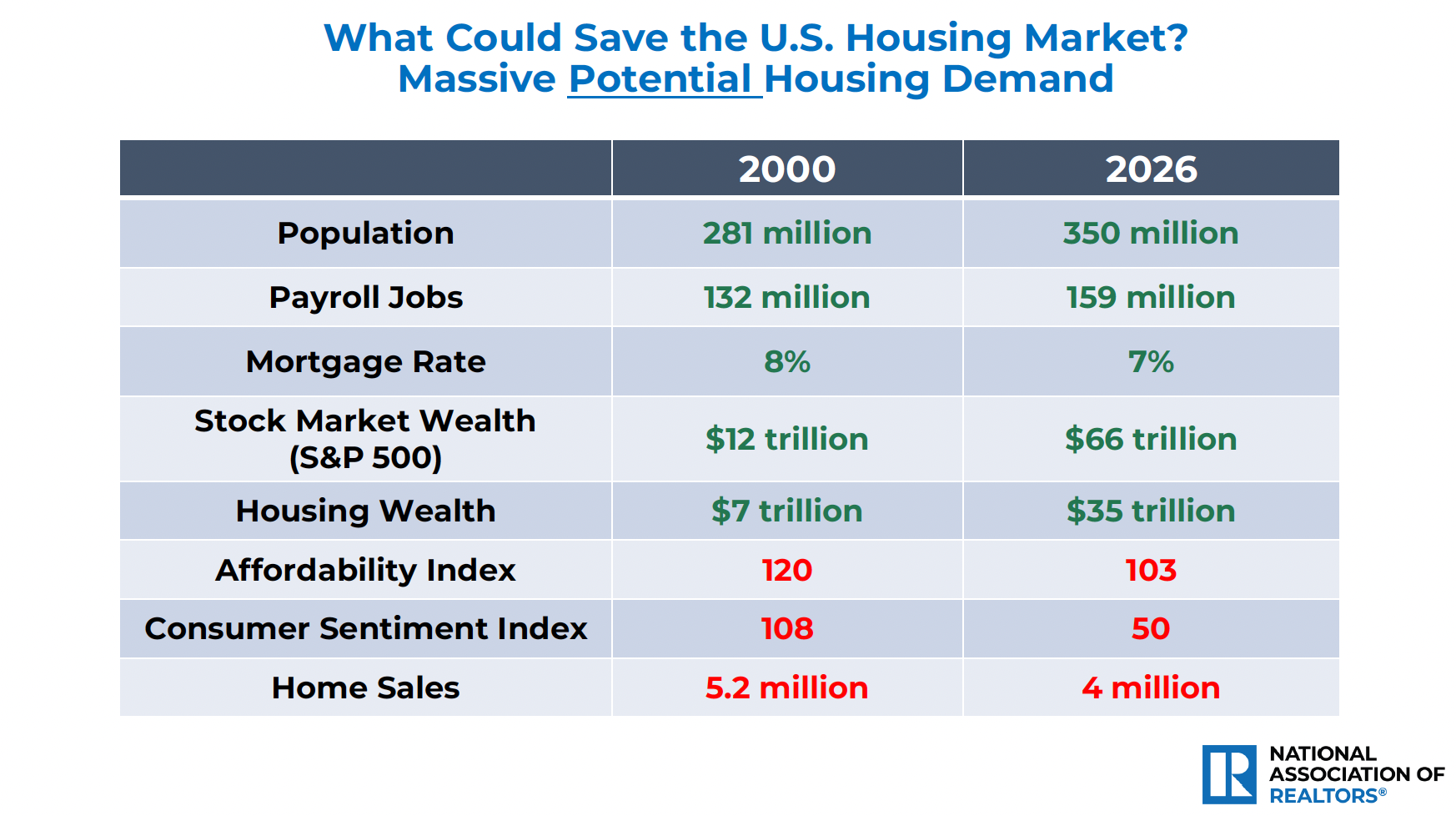
In 2000, the U.S. population stood at 281 million, payroll employment totaled 132 million and existing-home sales reached 5.2 million. In 2026, the population has grown to about 350 million, employment has climbed to 159 million, and stock market and housing wealth have increased nearly fivefold. But existing-home sales are hovering around just 4 million.
Yun pointed to two key factors that may be missing in today’s housing market compared to 2000: Affordability and consumer confidence.
NAR’s Housing Affordability Index has slipped from 120 in 2000 to 103 in 2026, while the consumer sentiment index has plunged from 108 to about 50.
Yun has called the market “puzzling.” "We are not in a recession, but people are expressing as if we are in an economic recession," Yun said. "The job market is at an all-time high, but consumer sentiment is at an all-time low.”
Could Lower Mortgage Rates Be Key?
Mortgage rates remain a major hurdle for the housing market. The 30-year fixed-rate mortgage averaged 7.33% in October compared to 6.25% a year earlier, according to Freddie Mac.
The affordability squeeze took off in 2022, when mortgage rates started rising from their 2% to 3% lows previously. The higher rates compounded the impact of home prices that had risen sharply during the pandemic.
After all, aren’t 7% mortgage rates near the historical average? “But what’s different this time is home prices have risen so much,” he said.
Yun said rising wages are gradually helping affordability, but a more meaningful improvement would come from declining mortgage rates. Rates reached about 6% earlier this year, raising hopes for a rebound in home sales. But geopolitical tensions, higher oil prices and inflation disrupted that momentum.
A return to 6% mortgage rates could bring buyers rushing back into the market, Yun said. But that raises another concern: Will there be enough homes available to meet renewed demand—or will increased competition send prices climbing even higher?
More Inventory, More Opportunity
Housing inventory has been increasing, returning to pre-pandemic levels in more markets. Homes also are taking longer to sell, giving buyers more negotiating power and prompting more sellers to adjust their asking prices.
Still, Yun emphasized that home prices nationally are not in a slump. They continue to inch higher by about 1% to 2%, following substantial appreciation since the pandemic.
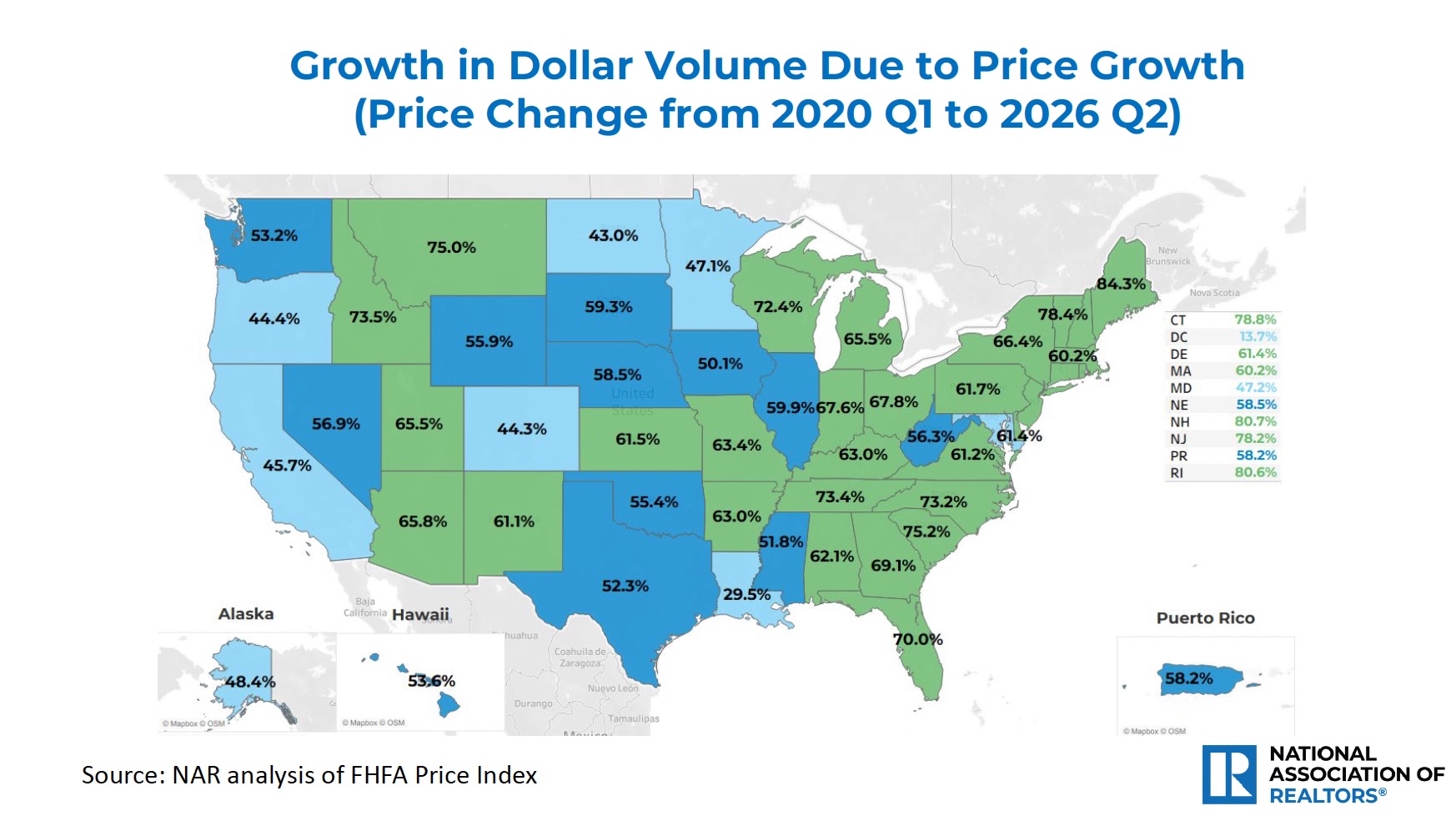
In Florida, for example, home prices have risen about 70% since early 2020, providing significant equity gains for long-time owners.
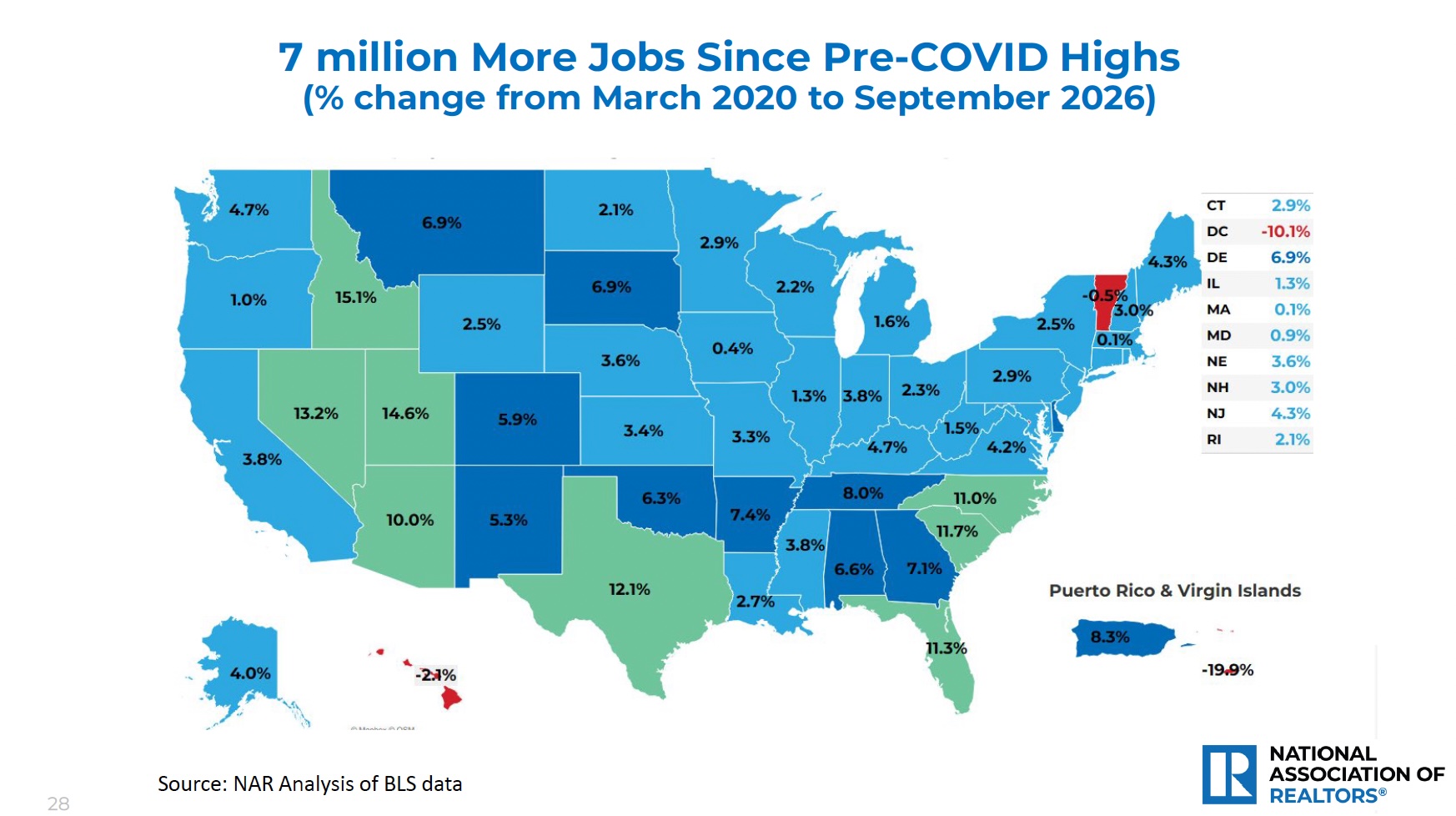
Yun also pointed to strong job growth as a potential indicator of where housing demand could rebound more significantly.
Agents Can Help Shift the Narrative
Beyond mortgage rates and housing supply, Yun sees another potential catalyst for the market: A change in consumer psychology.
Despite a relatively strong job market, consumer sentiment remains historically low. Yun encouraged real estate professionals to bring more positivity to conversations with prospective buyers and help them recognize the long-term opportunities of homeownership.
“We have to change this consumer sentiment that is very low,” Yun said.
Related: Median First-Time Buyer Age Is Still 40: The Costs of Delaying Are Adding Up
Part of that conversation, he suggested, may involve resetting expectations about the first entry into homeownership.
“Your first home does not need to be your dream home or your ideal home,” Yun said. “It’s a source of way to build wealth so that you can trade up,” he noted, adding that’s how earlier generations started with smaller homes and gradually built housing wealth.
And while Yun cautioned that the housing market has not yet turned a corner, he pointed to the decade of normal to above-normal activity that followed the recovery from the last major housing downturn. “Once we turn a corner, you can anticipate maybe 10 years of normal, above-normal activity,” Yun said.
